Gum Disease Treatment in San Francisco, CA
At Sutter Dental, gum disease treatment focuses on stopping infection, protecting the bone that supports your teeth, and helping you maintain a healthy smile. This guide explains what gum disease is, how treatment works, and what patients in San Francisco, California can expect at each step.

Gum Disease Treatment Explained
Gum disease, also called periodontal disease, is an infection of the gums and supporting bone caused by plaque bacteria. It begins as gingivitis, which leads to red, swollen gums that may bleed when you brush or floss. Without care, it can progress to periodontitis, where the gums pull away from teeth, pockets deepen, and bone can be lost.
Common risk factors include smoking, diabetes, dry mouth, certain medications, and family history. Warning signs include bleeding gums, bad breath, gum tenderness, receding gums, loose teeth, or changes in how your teeth fit together. Early evaluation helps determine whether non-surgical gum treatment is enough or if advanced therapy is needed.
Benefits of Treating Gum Disease Early
- Reduces bleeding, swelling, and tenderness for more comfortable gums.
- Lowers the risk of tooth mobility and tooth loss by protecting supporting bone.
- Improves breath and oral comfort during daily eating and brushing.
- May support better control of systemic conditions linked to oral inflammation.
- Often allows simpler, less invasive care with faster healing.
How Gum Disease Treatment Works
Assessment And Diagnosis
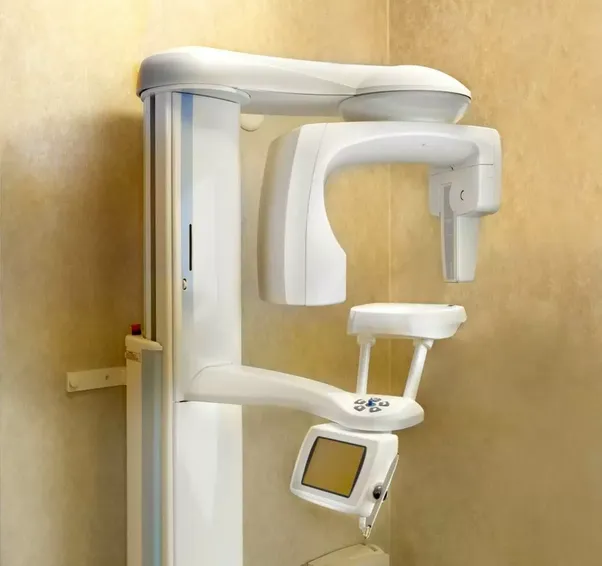
A comprehensive periodontal exam includes measuring pocket depths, checking gum inflammation, reviewing medical history, and taking dental X-rays to assess bone levels. Findings guide your personalized plan.
Non-Surgical Therapy: Scaling And Root Planing
For mild to moderate disease, scaling and root planing (deep cleaning) removes plaque and tartar above and below the gumline. Root surfaces are smoothed to make it harder for bacteria to reattach. Local anesthesia keeps you comfortable, and treatment is often completed over one to two visits. Antimicrobial rinses or localized antibiotics may be recommended to reduce bacterial load.
Surgical Options For Advanced Cases
When pockets remain deep or bone loss is significant, surgical care may be advised. Procedures can include pocket reduction surgery, regenerative techniques to encourage bone support, and gum grafts to cover exposed roots. Surgical approaches aim to reduce pocket depth and create a cleaner, more maintainable environment.
Periodontal Maintenance
After active therapy, periodontal maintenance visits every 3–4 months help control bacteria, monitor healing, and protect results. This schedule is crucial because gum disease can return if biofilm rebuilds unchecked.
Your Gum Disease Care Experience
Before treatment, expect a detailed discussion of findings, photos or X-rays if needed, and a step-by-step plan. During non-surgical care, the area is numbed for comfort. You may feel pressure or vibration from instruments, but pain is uncommon. Afterward, gums can feel tender for a day or two, and teeth may be temporarily sensitive as inflammation resolves.
Home care is key. Brush twice daily with a soft brush, clean between teeth with floss or interdental brushes, and consider a fluoride toothpaste. In some cases, a prescription antimicrobial rinse may be advised. Most patients notice less bleeding and fresher breath within one to two weeks, with deeper healing continuing over several months.
Important: If you notice persistent swelling, increasing pain, or signs of infection after any procedure, contact the office promptly for guidance.